
We will master EUDR secure EUDR meet EUDR prove EUDR pass EUDR
This is not a form problem. This is an architecture problem. Geolocation, due diligence statements and gapless batch traceability can be mapped directly in your SAP landscape.
The SAP standard requires strictly chronological postings for this, and in clocked filling and processing lines this chain breaks easily. We extend your SAP system with an automated, audit proof characteristic follow up recording, so your batches keep running without interruption.
What the EUDR demands from your SAP landscape
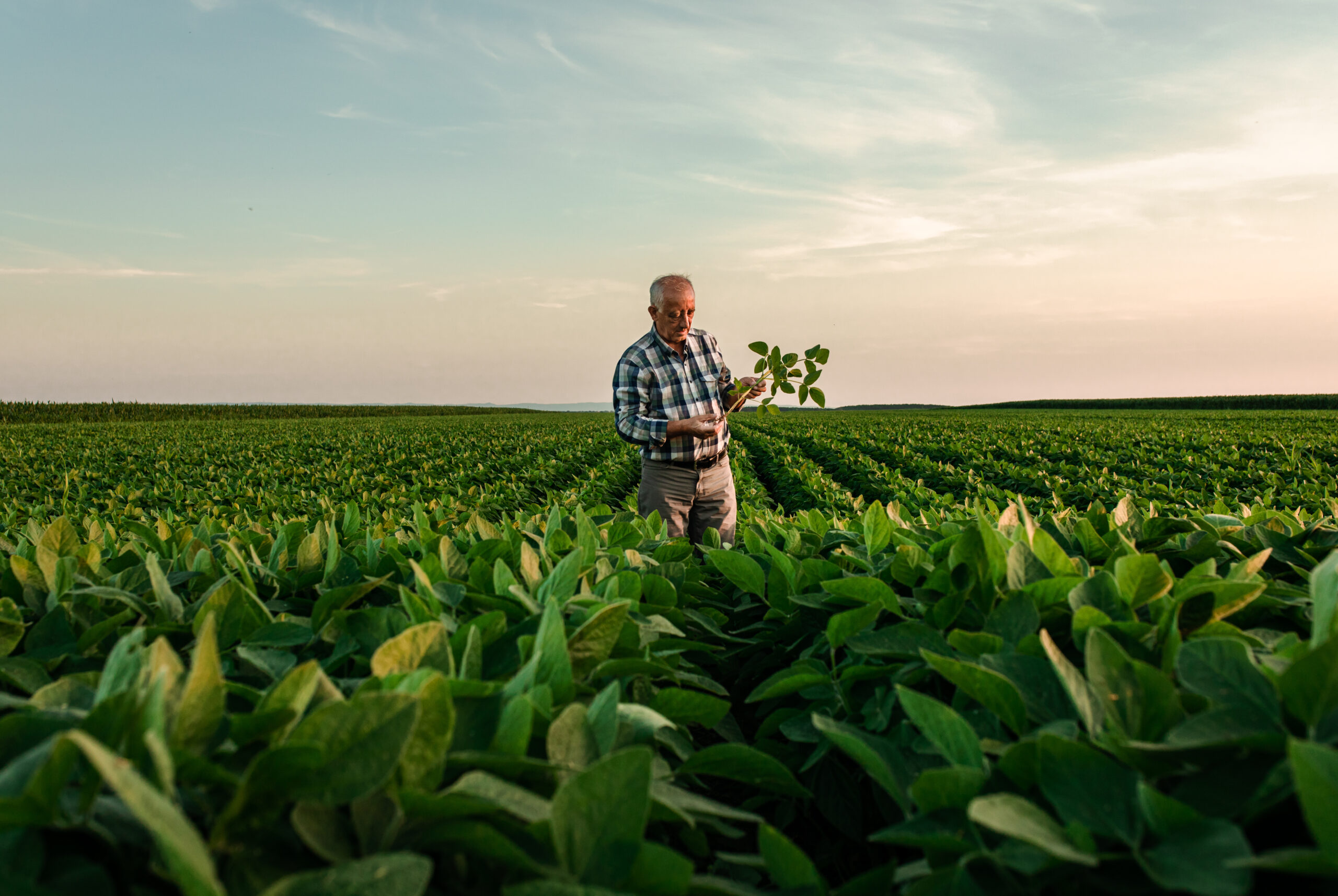
Soy, cocoa, coffee, palm oil, wood, rubber and cattle must be traceable back to the place of production, documented through geodata, reference numbers and HS codes.
More than a reporting obligation hangs on this evidence. The fine framework is at least 4% of EU annual turnover, plus a sales ban and public naming by the EU Commission.
In SAP this runs through batch management and batch classification.
Four steps to EUDR compliance in SAP
From goods receipt to sale, EUDR documentation follows every batch automatically through your SAP processes.



What changes in operations
Three things the system takes over once the extension is active.



Where companies commonly get stuck with the EUDR
Usually it’s not the SAP license, it’s the posting sequence in production, manual rework, and reporting to the EU system.
When the batch chain breaks
The SAP standard assumes strictly chronological postings, agile production rarely sticks to that.The break in the inheritance chain
Why standard SAP falls short hereStandard SAP only inherits EUDR characteristics with strictly chronological goods and batch postings. If materials are physically processed further in agile manufacturing environments before the matching confirmations are posted in the system, the inheritance chain breaks. The result, data inconsistencies and heavy manual rework, right at the point where an audit tolerates the fewest gaps.
Manual rework instead of automation
Without a system extension, missing EUDR characteristics have to be added by hand.Follow up recording instead of rework
Automated, retroactive, audit proofA dedicated extension implements a cross stage characteristic follow up recording based on batch numbers. Controlled via customizing tables and triggered by the respective order status, the relevant EUDR data is added automatically and in an audit proof way. Your physical material flows stay clear of systemic bottlenecks, with no manual rework in daily operations.
TRACES reporting as a breaking point
Reference and verification numbers must be transmitted to the EU's TRACES system, without a connection, duplicate work and reporting errors threaten.One report, no media break
Direct connection to the EU information systemWithout a direct interface, reference numbers have to be transferred manually between SAP and the EU information system TRACES, and the risk of error grows with every handover. A direct TRACES connection automatically validates and transmits the relevant numbers. For a holistic ESG strategy, the connection can additionally be extended with SAP Green Token or the SAP Sustainability Control Tower.
Your benefit at a glance
What the extension saves you in a real audit situation.
Audit ready
Origin, due diligence statement and reference number can be proven per batch at the push of a button.

No fine risk from data gaps
The fine framework is at least 4% of EU annual turnover and depends on complete evidence.

Native to the SAP standard
Extension built on batch management and customizing, no parallel world alongside SAP.

ESG ready
Extendable with SAP Green Token or the SAP Sustainability Control Tower.
Frequently asked questions about EUDR in SAP
Answers to the questions we’re asked most often in EUDR projects.

When does the EUDR become binding?
For large and medium sized companies from December 30, 2026, for micro and small enterprises outside the wood industry from June 30, 2027. Both dates have already been postponed twice from the original version.

Which raw materials are covered by the EUDR?
Soy, cattle, cocoa, coffee, palm oil, wood and rubber, plus their derived products. The delegated act passed in July 2026 additionally extends the annex to include soluble coffee, certain palm oil derivatives and frozen beef tongue, these newly added products only apply from December 30, 2027. Cattle hides and leather were removed from scope in the same step.

Does every company in the supply chain have to submit a due diligence statement?
Not since the simplification package from May 2026. Only the first importer now has to submit the due diligence statement, downstream traders are exempt from the reporting obligation.

What happens if goods and batch postings aren't done chronologically?
In this case standard SAP breaks the characteristic inheritance, the result is data inconsistencies and manual rework. A dedicated characteristic follow up recording writes the data automatically and retroactively.

How long does the technical implementation take?
The system extension itself is usually manageable, the bigger effort lies in collecting geolocation data from suppliers and in the test phase with the TRACES system.

What happens in case of a violation of the EUDR?
Member states must set the fine framework at at least 4% of EU wide annual turnover. On top of that comes a temporary sales ban for the affected products and public naming by the EU Commission.
Let's talk about your EUDR compliance

Write to me which raw material in your supply chain is the most critical, and I’ll tell you what your SAP needs to be able to do for it.
Philipp Hildebrandt
Senior Business Development Manager & Enterprise Architect